“Pambansang Wealth Coach” Chinkee Tan went live on Facebook for the first Online Philippine Homeschool Conference to share about financial realizations during the community quarantine to stop the spread of coronavirus disease.
In his talk, Chinkee Tan shared insights about finances during the public health crisis as well as principles and practical tips on how to prepare financially in the “new normal” when the lockdown is lifted.
Tan and his wife have been homeschooling parents for 14 years and have been working from home for 8 years.
Tan also addressed audience questions such as how to prepare a budget for homeschooling needs, tips from his experience about homeschooling, and the blessings of homeschooling with more time spent with family, less time required to travel, and avoiding traffic to and from school.
Chinkee Tan’s key points shared on the Online Philippine Homeschool Conference are:
Normalcy has been flipped on its head and has left us feeling anxious about the future and wondering if our business will survive the coronavirus.
My partners and I were set to open our brand-new Pilates studio in New York City in early March. But by that time, all businesses were under a citywide lockdown, with a statewide stay-at-home order that soon followed. With a signed lease, fully renovated studio, clientele with no place to go — and no safety net — we had to reinvent how we work.
For me, and likely many gym and studio operators across the country, last month’s transition to home fitness has not been easy, but it has been eye-opening. What we do now to ensure we keep servicing our clients will most definitely hold the key to a brighter future. Here are a few things we learned that I’d like to share.
First and foremost, we are in the business of influencing how people feel.
These are crazy times. More than anything, people look to you to help them through. Everything you do should be designed with your clients’ well-being in mind. Here’s the rest:
1. Create structure
Clients have built a routine around time spent with you. Right now they need you to re-establish that routine. While you may be tempted to reinvent the wheel, create a structure and stick to it. Your clients will be grateful for the sense of normalcy that comes with this commitment.
2. Stay one step ahead
Week One of “sheltering at home” is very different from Week Five. People are getting more and more antsy. They’re missing their family and friends. They’re worried about money. As a business owner, you must anticipate what your clients may need two weeks from now, three weeks from now, months from now.
Introduce new types of classes that are adapted to their new lifestyles. Do your clients need to burn off steam? Add high intensity classes. Are they anxious? Calm them with meditation exercises. Are they discouraged or losing motivation? Mix it up to keep them committed.
Reaching out to other businesses and helping leverage each other are great ways to get in front of different audiences and collaborate on new ideas. if you continue to deliver fresh resources for clients, they won’t look elsewhere. For example, if you lack experience with meditation, invite a professional to join you in an interview and session.
3. Reinforce a palpable sense of community
People who frequent your business are probably like-minded people that share a common interest in improving their well-being. They could benefit from time with each other as much as they benefit from interacting with you, the instructor. Help them connect with one another and create a communal virtual space to engage in. Being a connector in customers’ lives demonstrates that your business can offer more than just ‘classes,’ but also a community – something many may be yearning for during this period of social distancing.
Host “virtual happy hours.” Start a book club. Invite a guest speaker to share something important. Give your own clients a platform for what they know. If a client is a chef or nutritionist, that person might conduct a demonstration on an easy recipe. Providing bonuses like these will empower your clients.
4. Show appreciation for clients
Show that you value the personal relationships you’ve established with your clients by letting them know you care deeply about their well-being. Find authentic ways to see how they are doing. The personal touch of an email or a phone call can go a long way; in fact 85% of US consumers say it’s completely acceptable for companies to be communicating at this time. One idea is to introduce promotions or prizes for your VIP clients who have been with you the longest, to let them know you appreciate their continued business.
5. The future is digital, so take this time to master skills
“Virtual” is here to stay in the ‘new’ normal of operating a business. As society opens little by little and doors open for customers, class sizes are expected to be limited to incorporate social distancing between individuals. Use this time as an incubator period to hone your digital skills. If you haven’t yet, familiarize yourself with digital technology platforms that could be useful tools for business operations and communication. Here at Studio House Pilates, we transferred in-studio classes online through Zoom. We maintained an active online presence on Instagram, communicating with our clients and the fitness community through daily stories, Instagram live videos, and pop-up class collaborations with surprise guests.
6. Keep a portion of your business virtual to reach more clients
People have adopted some positives from sheltering at home – and so can you. They may continue to work online or take classes in the comfort of their own homes and without that added commute. By offering virtual classes, local fitness businesses can continue to reach and serve a broader remote audience outside of the typical neighborhood radius. You’ll also be “keeping spaces” for clients who may be on vacation or traveling and could potentially introduce you to one of their friends in Paris or Los Angeles. Virtual classes can also grow your business with new affordable pricing options for people who cannot afford your in-studio classes and services.
Lesson learned?
Responses to the coronavirus grew out of physical distancing for safety sake. In fitness, the virus changed the way we teach and enabled us to recreate the class experience. Our business model is likely forever changed and will now include both an in-person and a virtual presence.
Another amazing thing that has come out of this is reuniting with past students or new students outside of the city that I would have otherwise never crossed paths with. I’m inspired to be able to cultivate a community in a way that was not possible before, and also optimistic for the potential of our New York City block community expanding its universe to other clients — Rachel Cipriano.
Diversified conglomerate San Miguel Corp. (SMC) will build 10 emergency quarantine facilities (EQF) located beside military hospitals, to house personnel who tested positive for the coronavirus disease 2019 (COVID-19) but have mild or no symptoms.
In a statement, SMC said the 10 facilities will have 15 beds each, and will be located beside military health facilities — NOLCOM Hospital in Tarlac, SOLCOM Hospital in Lucena City, Eastmincom Hospital in Davao City, CENTCOM Hospital in Cebu City, Westmincom Hospital in Zamboanga City, Veterans Memorial Center, CJVAB Hospital in Pasay City, Naval Air Group in Cavite City, and WESCOM Hospital in Palawan.
“We are thankful to the Armed Forces of the Philippines (AFP) for giving us the opportunity to collaborate with them on this initiative. This is one way we can help our hospitals efficiently attend to COVID-19 patients with severe symptoms as well those suffering from other life-threatening conditions,” said SMC president and chief operating officer Ramon Ang.
“We are one with the country in finding ways to accommodate more patients as hospitals reach their full capacity. These emergency COVID facilities we are helping build will serve not just our military front liners but also other PUIs in surrounding communities,” he elaborated.
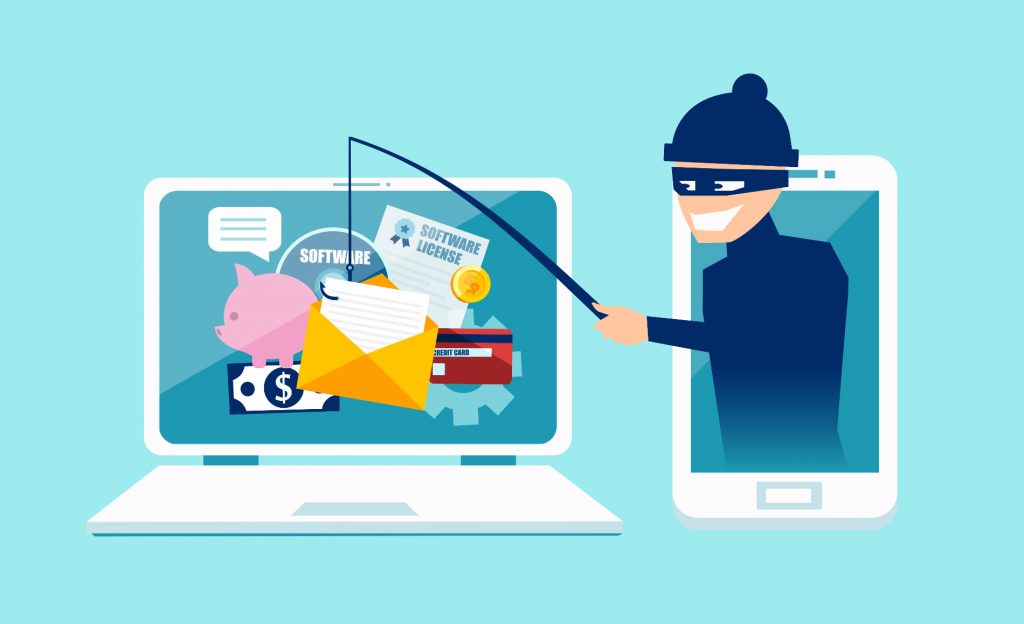
Identity theft is an enormous problem. While the ever-growing use of modern technology to make purchases, bookings, and fast payments is highly convenient, the downside is that this leaves many opportunities for scammers and fraudsters to take advantage.
Be careful with your ID
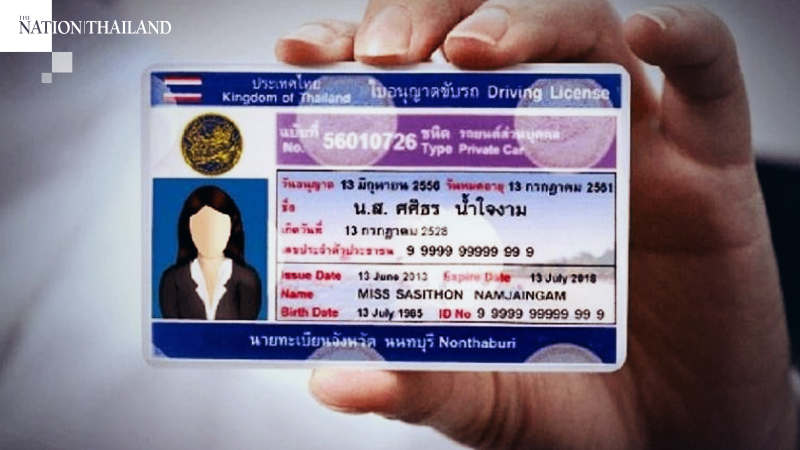
The passport contains a lot of information about you! Don’t let that information get into the wrong hands. The same applies to ID cards, driving licenses, and any other forms of identification. Always be cautious, and keep them in a safe place.
Protect your personal information
Always be aware of receiving calls from scammers. Often posing as banks, or other official institutions, their only purpose is to get as much information from you as possible. This also applies to scam e-mails. If it looks suspect, it probably is. Typos, bad grammar, etc. are always a giveaway. Also, always check the e-mail address of the sender, no matter how authentic the message looks.
Destroy confidential papers
If you have a shredder at work or home, use it to destroy papers that you no longer require, which contain personal information. Even if you don’t have a shredder, you can still do a good job of destroying confidential papers. Be thorough.
Protect your mail
Don’t leave mail lying around unopened, especially if you live in a communal building. There could be a lot of personal information about you in the letters. If you are normally away from home a lot, consider a pick-up service or the redirection of mail to your post office.
Check bills and statements
Always be aware of checking bills, bank statements, and credit card statements for unauthorized transactions. It is very easy not to notice small discrepancies, but this is how fraudsters often make their money. They make the amount small enough that it will not be obvious, and do this to many different accounts.
Check your credit report
The information in your credit report is a footprint of your financial activity, make sure to check it on a semi-regular basis. You may find erroneous information about you on your credit report, which would have gone unnoticed had you not checked it.
Stop pre-approved credit offers
If you receive a pre-approved credit offer by mail, the best thing to do is to destroy it, and request that the credit card company removes you from their mailing list. Some pre-approved credit offer letters can come with a lot of information about you! All they want is your signature to approve the application. Make sure that you tell these companies in no uncertain terms to desist.
Ask how your information will be used
Don’t be afraid to question why you are being asked to provide certain personal information. If you are not satisfied with the answer, refuse! Never reveal personal details of any kind if you don’t know for absolute certain who you are talking to.
Protect your computer
The best way to ensure that your computer is safe is to use strong passwords, and to download anti-virus and anti-spyware software. Also, be cautious with what you download, and avoid suspect sites that spam your computer with pop-up windows.
Be cautious online
Look out for the padlock symbol next to the website address to indicate that the site is secure, before entering any personal information or credit card details. Make sure that you fully trust the site before giving any details. If it is not well known, check to see how many reviews of the company you can find online. If in any doubt, avoid!
Keep receipts
Even though some receipts obscure most of your credit card digits, it is still not a good idea to leave them lying around. Be cautious, and keep them. Not only will keeping receipts protect you from fraud, it will also allow you to keep a better track of your transactions, which will be useful when comparing them to your statements.
Keep your credit cards in sight
It’s always advisable not to let someone take your card away. They can bring the card machine to you. In the wrong hands, a card could easily be cloned in a matter of a few minutes. Don’t let this happen.
Ask to be removed from databases
If you are constantly receiving unsolicited calls, even if it is not regarding financial matters, ask to be removed from their databases. Be firm. The same can apply to e-mails. There should always be an option at the end of the message to unsubscribe from further correspondence.
Use two step-verification where possible
While this is not universally available, its popularity is increasing, with companies like Google and Amazon setting the trend. It may seem slightly inconvenient, but it is certainly a better alternative than having your personal information stolen.
Be aware at the ATM
Not all people who hang around behind other people at ATMs are simply muggers. Some of them use very elaborate and clever schemes to relieve you of your money. Try and use ATMs that are more private, wherever possible, and always be aware of who may be watching you enter your PIN number.
If you’ve been thinking about getting a new car lately, you’re in luck. Current market conditions have made new autos more affordable than ever. Dealerships are desperate to offload unsold 2018 and 2019 inventory to make space for the 2020 … Continue reading →
More Galleries|Comments Off on What Happens to Unsold 2018 and 2019 Auto Inventory?
A group of scientists in Australia used a “microcomb” to accelerate internet connection speeds to breakneck speeds of 44.2 Tbps — roughly 1 million times faster than an average user’s internet speed.
Modern cable and fiber optic internet connections allow us to browse the web at home, play online games, stream videos, and keep our businesses running smoothly. But while content grows more complex, the world needs even faster internet speeds. This is why researchers in Australia developed an internet connection capable of reaching 44.2 terabits per second, according to a new study published in the journal Nature Communications.
If this is too abstract for relating, consider the average user’s internet speed, which in the U.S. is roughly 50.2 megabits per second — roughly 1 million times slower than the breakneck speed of the researchers.
‘Microcomb’ takes fiber optics to a new extreme
The Australia-based team consists of researchers from Swinburne, Monash, and RMIT universities, and achieved the wildly fast connection via an optical device called a microcomb in place of a standard bunch of roughly 80 lasers found in modern telecom equipment.
A microcomb “generates very sharp and equidistant frequency lines in a tiny microphotonic chip,” according to phys.org. This unique technology is compatible with other fiber optic lines, which could mean that this new device could be implemented without a wholesale overhaul of existing internet pipelines. “What our research demonstrates is the ability for fibers that we already have in the ground […] to be the backbone of communications networks now and in the future,” said Monash University’s Bill Corcoran.
44.2 Tbps could help businesses in IoT, cloud computing
While at present most internet users don’t need a 44.2 Tbps connection. But this wildly fast speed might help businesses leverage greater internet speeds while adapting to the rise of developments like IoT and cloud computing.
Additionally, due to the ever-more-complex nature of web content compounded by the wholesale shift of consumer industries to online service, there’s not much time before average users need much faster connection speeds to surf the web. —By Brad Bergan
A coronavirus disease (COVID-19) vaccine tested for the first time in humans is safe and induces a rapid immune response, researchers at China’s CanSino Biologics Inc reported on Friday in The Lancet medical journal.
Blood samples from a group of 108 vaccinated adults showed both neutralizing antibodies and T-cell responses against the novel coronavirus in most of those tested.
Further studies will be needed to confirm whether the vaccine protects against infection.
“These results represent an important milestone. The trial demonstrates that a single dose of the new adenovirus type 5 vectored COVID-19 (Ad5-nCoV) vaccine produces virus-specific antibodies and T cells in 14 days, making it a potential candidate for further investigation,” coauthor Professor Wei Chen from the Beijing Institute of Biotechnology in Beijing said in a statement.
“However … the ability to trigger these immune responses does not necessarily indicate that the vaccine will protect humans from COVID-19 … we are still a long way from this vaccine being available to all.”
More than 100 vaccine candidates against SARS-CoV-2 are in development, with about 12 in human testing designed to mainly evaluate safety.
A few, including CanSino’s, have moved to larger mid-stage studies that are evaluating safety and the ability to induce an immune response.
Healthy adult volunteers in Wuhan, China, received a single intramuscular injection of either a low, middle or high dose of the vaccine.
Four weeks after the injection, the most common adverse reactions were mild pain at the injection site, fever, fatigue, headache, and muscle pain. There were no serious adverse events.
A mid-stage trial of the vaccine is already underway in Wuhan. — By NANCY LAPID, Reuters
Thai Airways International Plc will go to bankruptcy court rather than go ahead with a rescue plan that was previously suggested as a solution to aid the ailing airline.
The airline had previously hoped to cash a 90 billion baht bailout cheque from the Thai Government, however, officials today confirmed that the bailout will not go ahead leaving the airline no option but to file for bankruptcy.
A visit to bankruptcy court will likely see a reconstruction of the airline that has outstanding debt of more than 92 billion baht accused over the past three years. Even before the covid-19 pandemic, Thai Airways was posting significant losses.
The most likely scenario is that Thai Airways will be forced to reduce the size of its fleet and retire older or larger aircraft as has happened with other airlines who are facing financial uncertainty over the last few weeks.
Owned by the Finance Ministry, Thai Airways is currently unable to operate due to the extended incoming international flight ban to Thailand which will not end until June 30th.
A government spokeswoman, Narumon Pinyosinwat, confirmed the bankruptcy filing, saying:
“The State-Enterprise Planning Office agreed in principle for the rehabilitation of Thai Airways in court… the procedure will be submitted to Cabinet tomorrow… It is similar to filing Chapter 11 in the United States.”
SAN FRANCISCO, California — Facebook on Thursday said that its Messenger app will be watching behind the scenes for scammers using the smartphone communication system.
Safety notices will pop up in Messenger text chats if activity taking place in the background is deemed suspicious by artificial intelligence software, according to director of privacy and safety product management Jay Sullivan.
He said the new safety feature “will help millions of people avoid potentially harmful interactions and possible scams without compromising their privacy.”
The feature began rolling out to the Messenger app tailored for Android-powered smartphones in March and will head to Messenger on iPhones next week, according to Facebook.
“Too often people interact with someone online they think they know or trust, when it’s really a scammer or impostor,” Sullivan said.
“These accounts can be hard to identify at first and the results can be costly.”
Artificial intelligence software scans for scammers based on account behavior, such as sending messages in bulk targeting demographics or geographies, according to Facebook.
Warning notices pop up before people respond to messages of possibly dubious origins.
Since the feature does not involve looking at what is in messages, it should continue to add a layer of safety when Messenger takes to encrypted missives as planned by Facebook.
“As we move to end-to-end encryption, we are investing in privacy-preserving tools like this to keep people safe without accessing message content,” Sullivan said.
Messenger already uses software tools to fight spam and thwart efforts by adults to contact minors they don’t appear to know.
Messenger has been ramping up capabilities and security as use of online tools to communicate and socialize surges due to restrictions of movement during the pandemic.
Facebook recently unveiled a new video chat service with virtual “rooms” where people can pop in to visit friends, aiming at users turning to the popular Zoom platform during the pandemic. — Agence France-Presse
OCONOMOWOC, Wis. — Firefighters in Wisconsin sent out a reminder to everyone that it can be potentially dangerous to leave clear plastic water bottles or hand sanitizer in your car if they’re exposed to direct sunlight during hot temperatures.
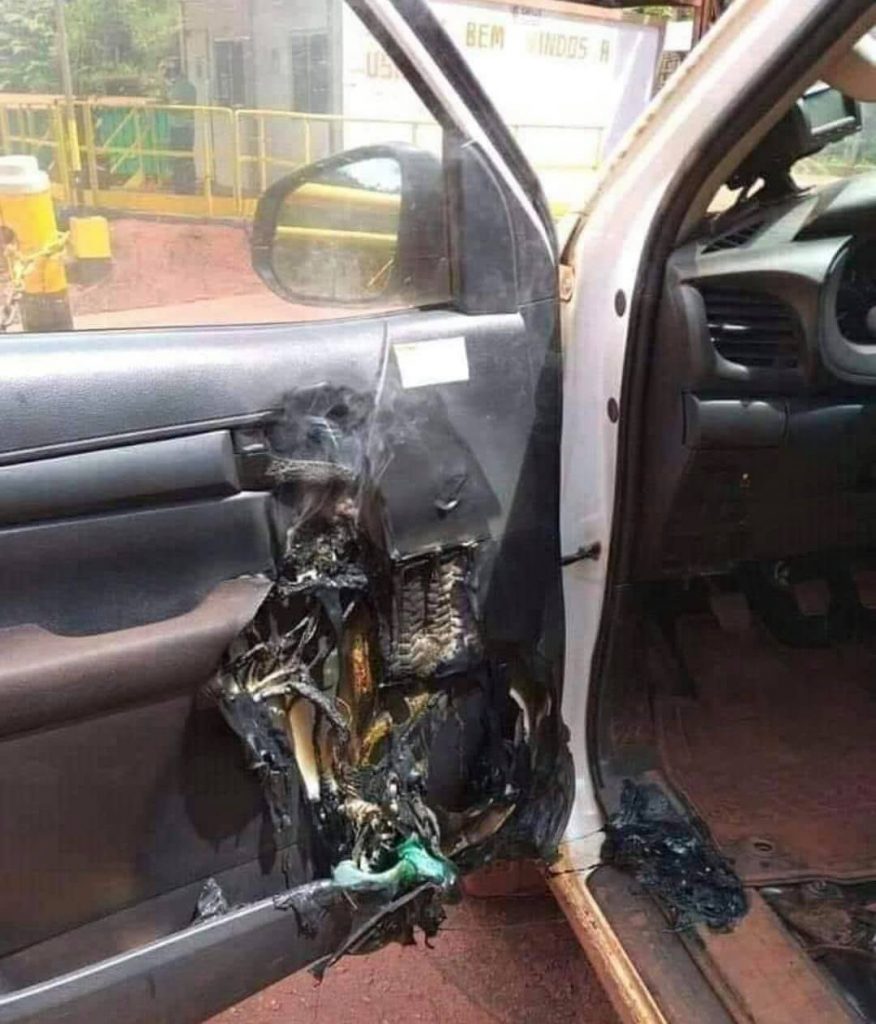
“By its nature, most hand sanitizer is alcohol-based and therefore flammable. Keeping it in your car during hot weather, exposing it to the sun causing magnification of light through the bottle, and particularly being next to the open flame while smoking in vehicles or grilling while enjoying this weekend can lead to disaster,” wrote the Western Lakes Fire District on Facebook.
A picture shared by the department shows a smoldering driver’s side door. It’s a message of caution that these sorts of accidents can happen, and a reminder as summer approaches to be careful of these sorts of things.